
Academics
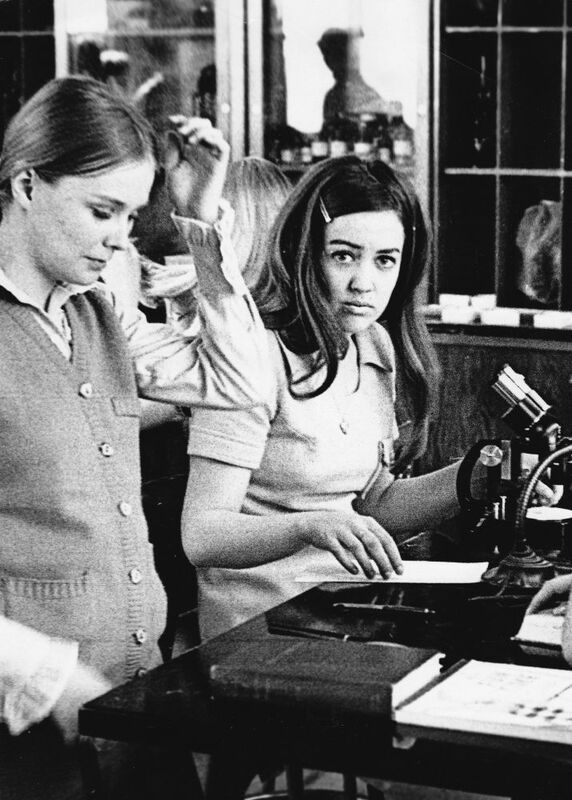
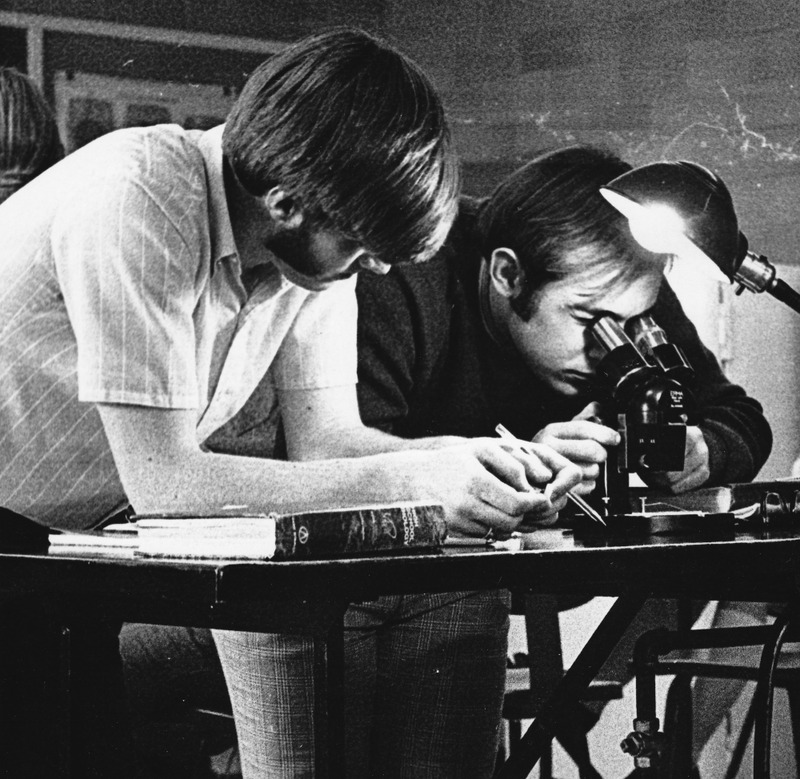
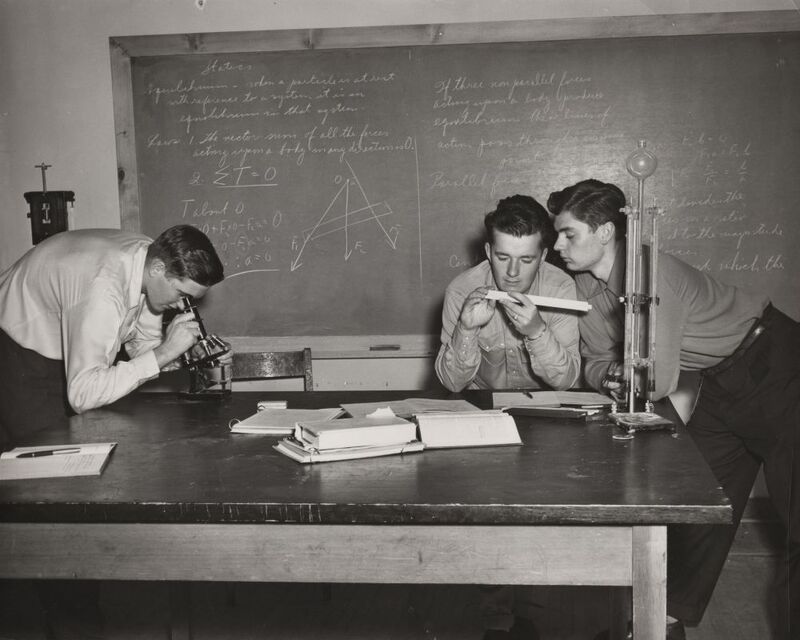
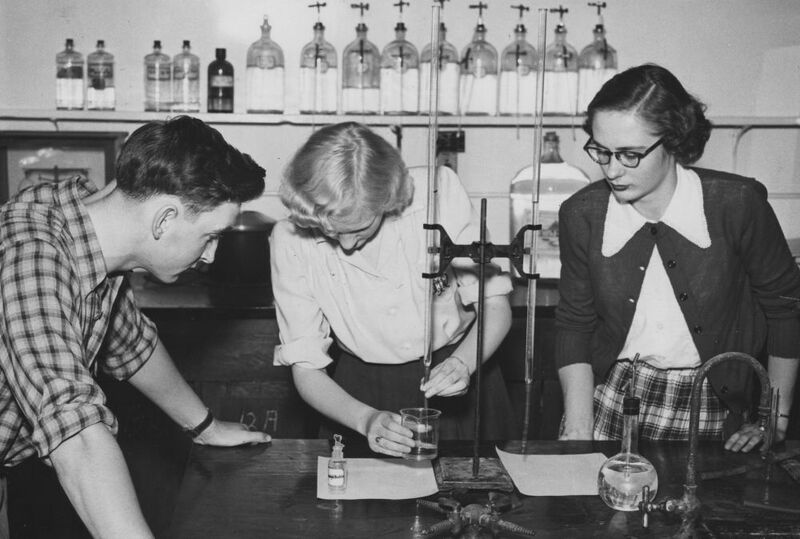
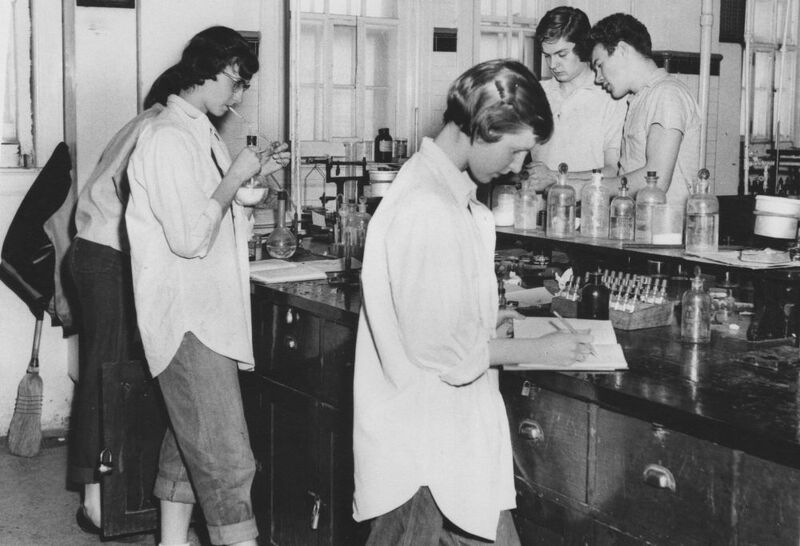
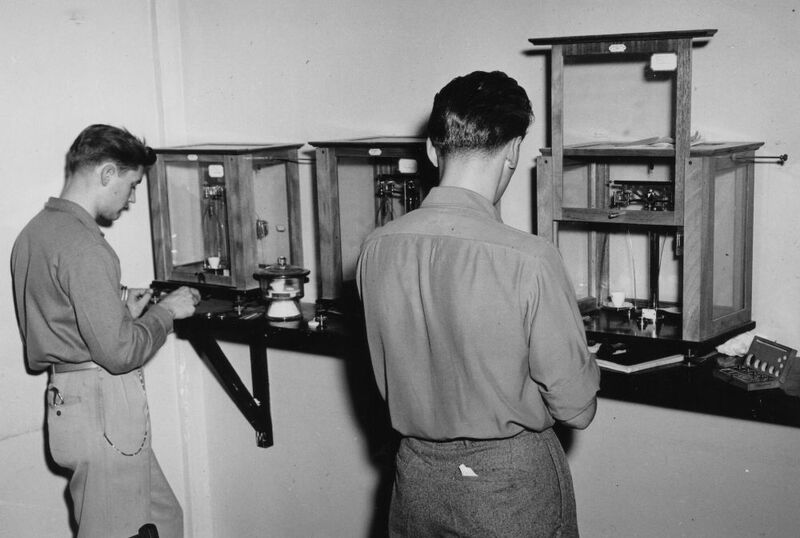
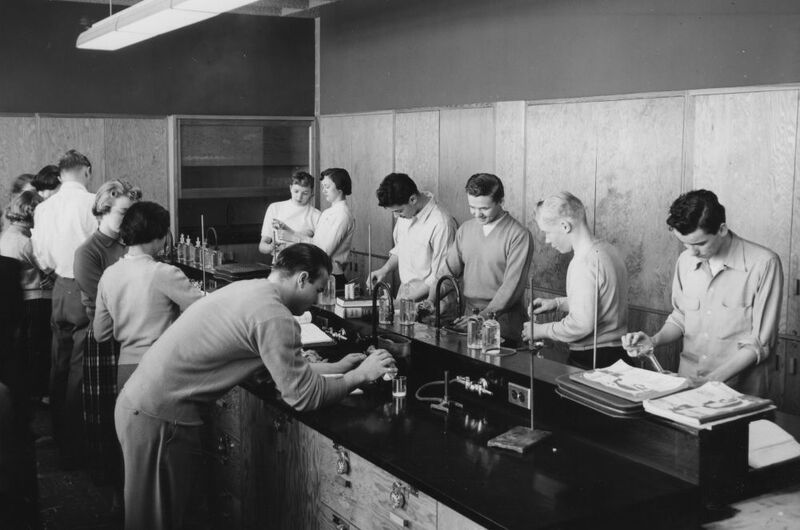
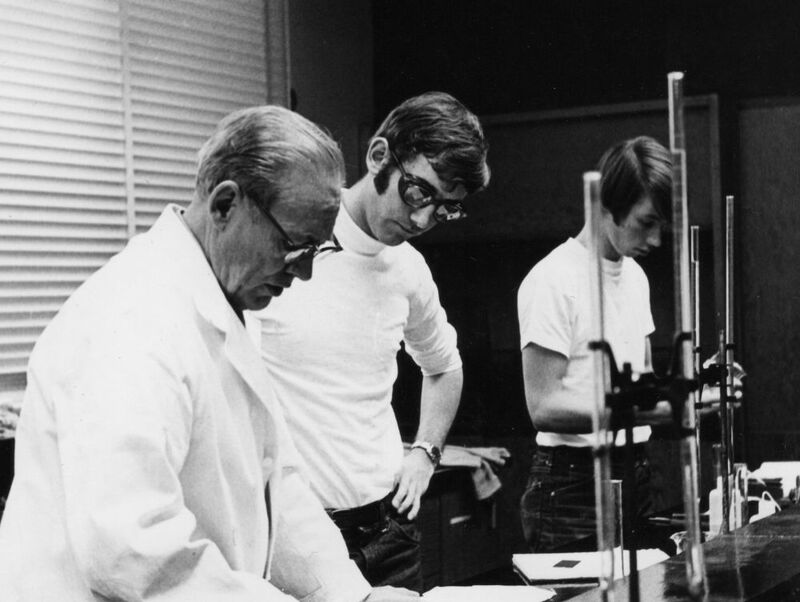
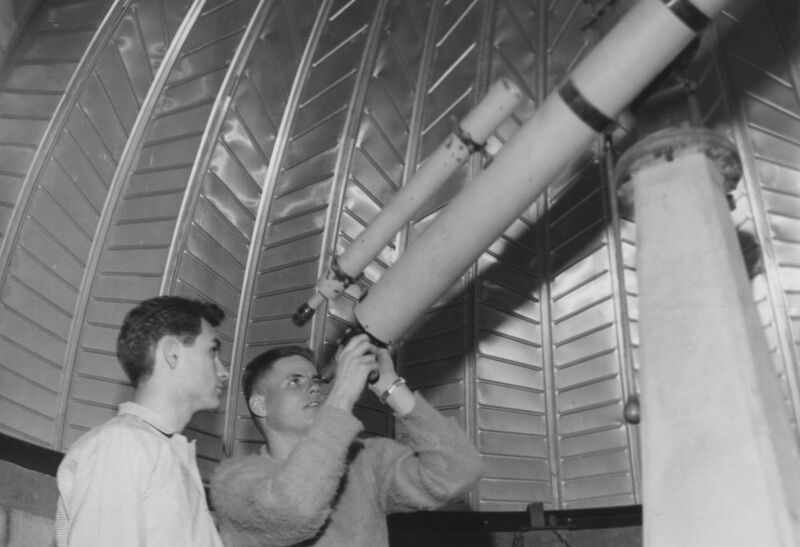
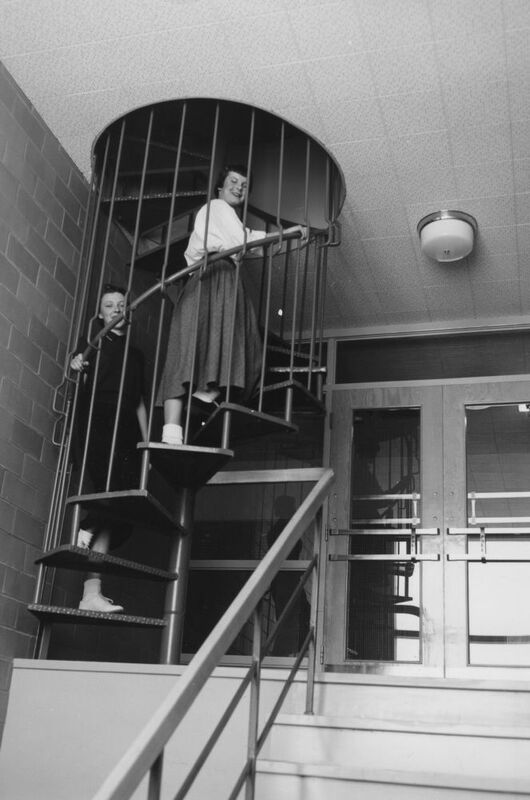
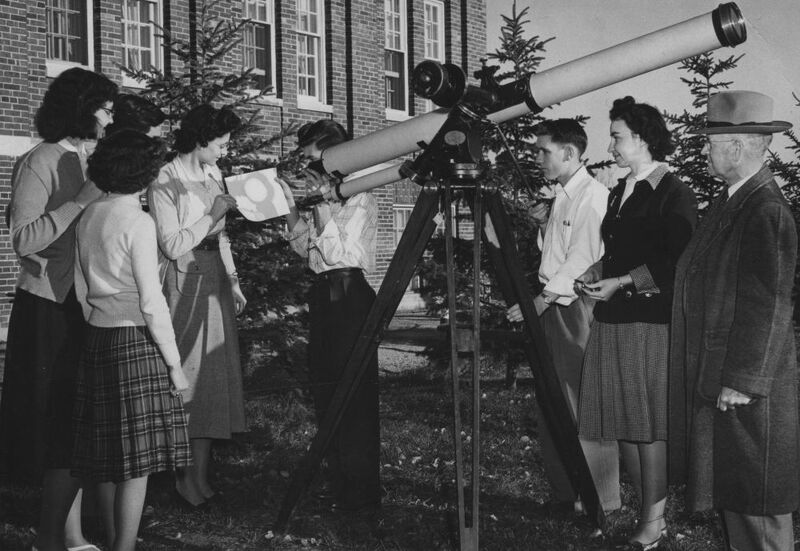
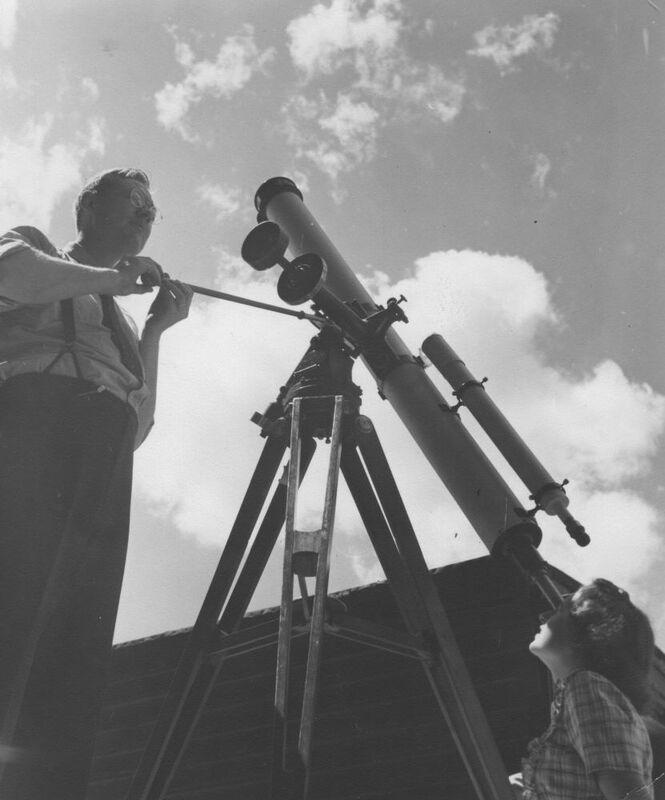
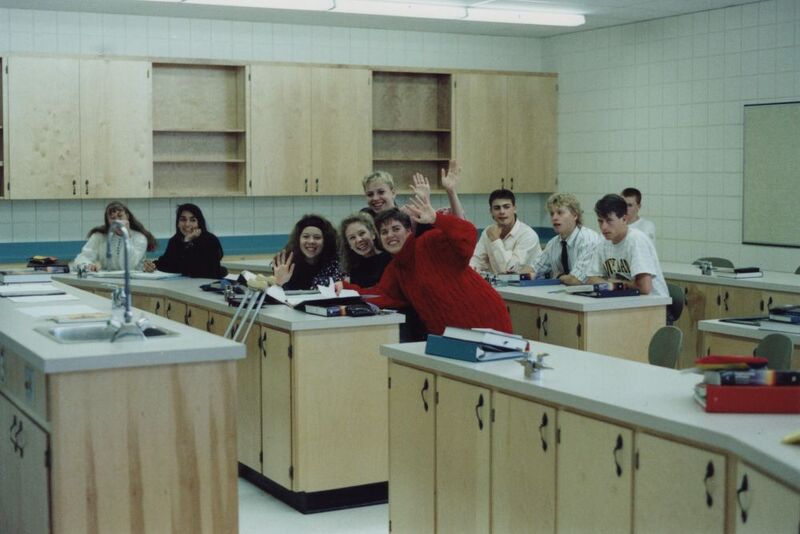
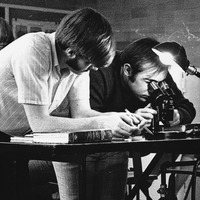
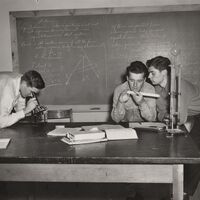
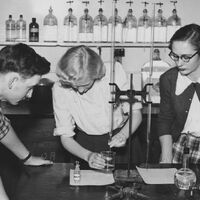
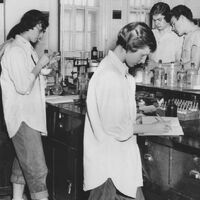
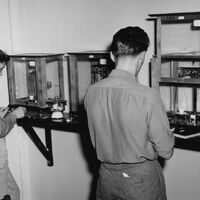
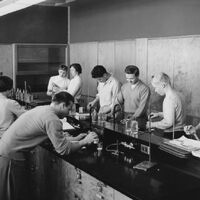
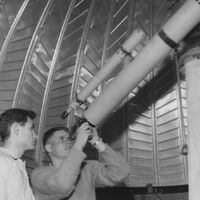
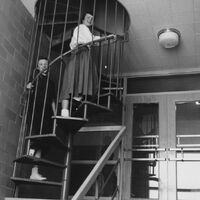
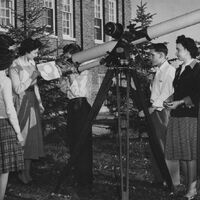
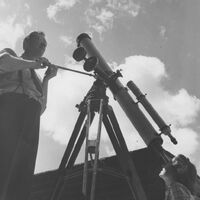
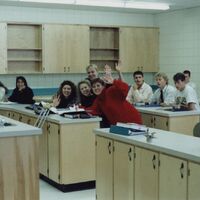
When Luther became a junior college in 1926 (earning recognition from the University of Saskatchewan for its university-level courses), it broadened its academic program to include physics, chemistry, and biology (with a focus on botany), psychology and logic. As construction began in Regina, a science laboratory was planned and installed in the basement. Astronomy courses were added in the early 1950s after a high-quality telescope was donated and placed in the observatory. Computer science was added in the 1980s; Christian ethics added in the 1990s.
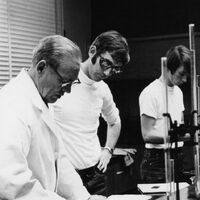
One notable alumnus, Henry Taube, went on to become a renowned chemist at Stanford University and won the Nobel Prize in 1982. In his acceptance speech, Taube credited Luther College and his teacher Dr. Paul Liefeld, with inspiring his love of science.
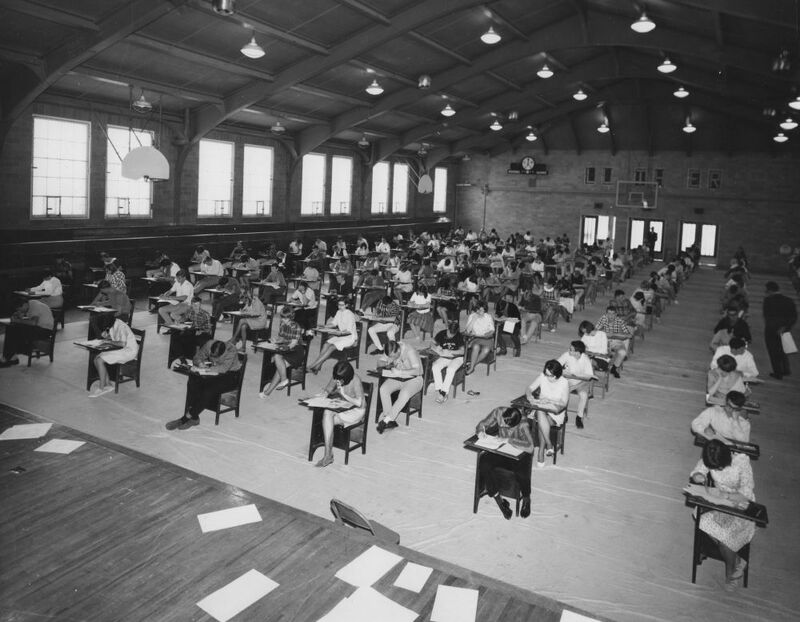
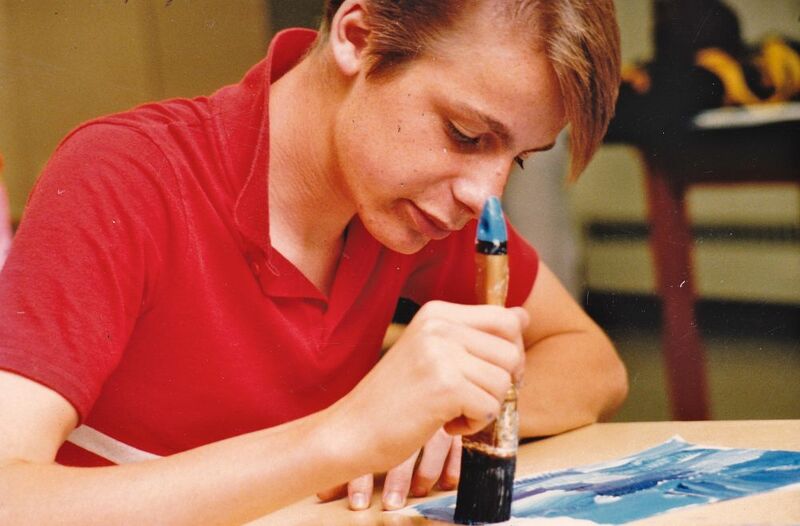
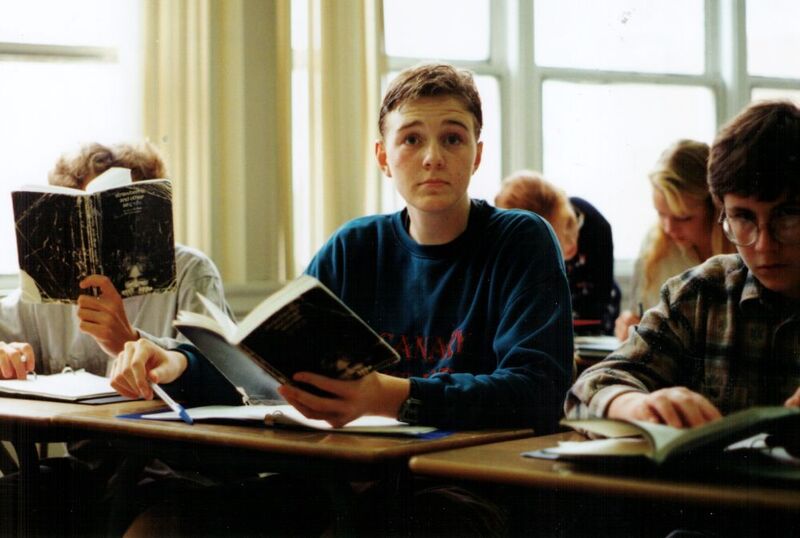
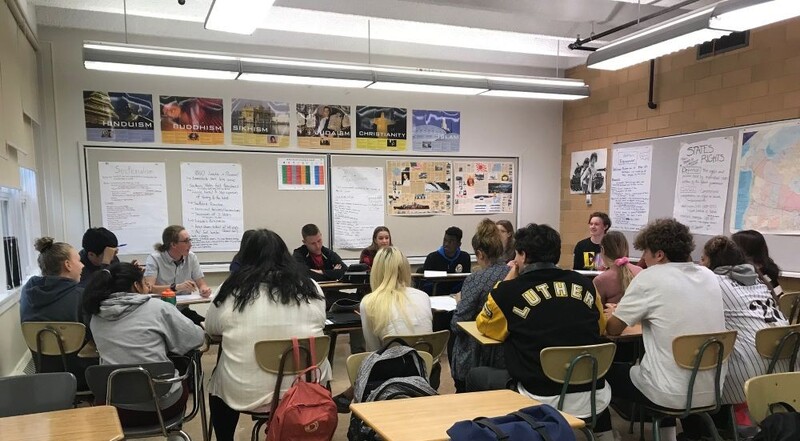
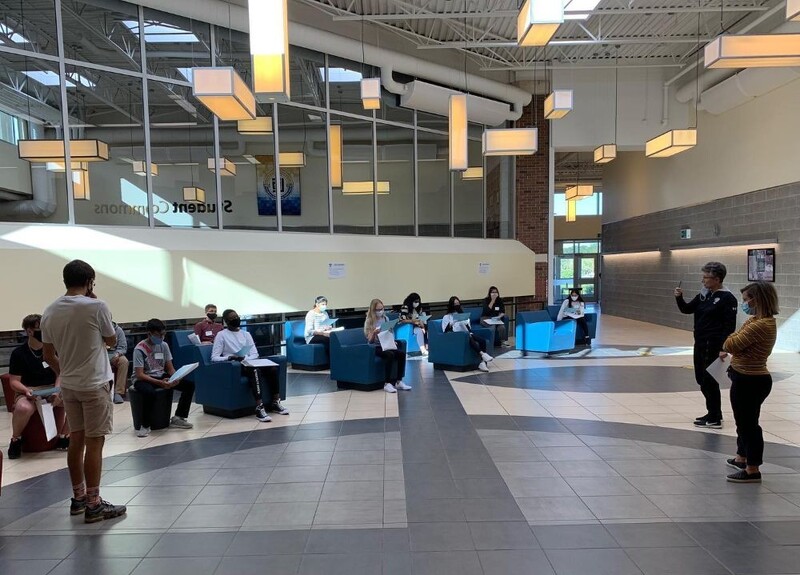
Throughout its history, the school developed a reputation for rigorous academics, small class sizes, and strong university preparation. This tradition continues through a challenging curriculum that emphasizes critical thinking, leadership, and liberal arts education. Its academic program includes the International Baccalaureate (IB) Diploma Programme, strong arts and music offerings, and support for both domestic and international students.