Air Cadets
The second World War (1939-1945) impacted Luther College in various ways:
--wartime rationing delayed projects (such as the building of a gymnasium)
--there was a teacher shortage (as many were needed to serve overseas)
--until the United States entered the war, the Canada / US border was restricted to students. Luther could no longer recruit American students, and Luther students in Canada were no longer able to attend seminary (all ALC’s seminaries were in the US).
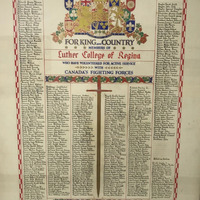
--most significantly, the tight-knit Luther community was now mourning war casualties among recent Luther graduates.
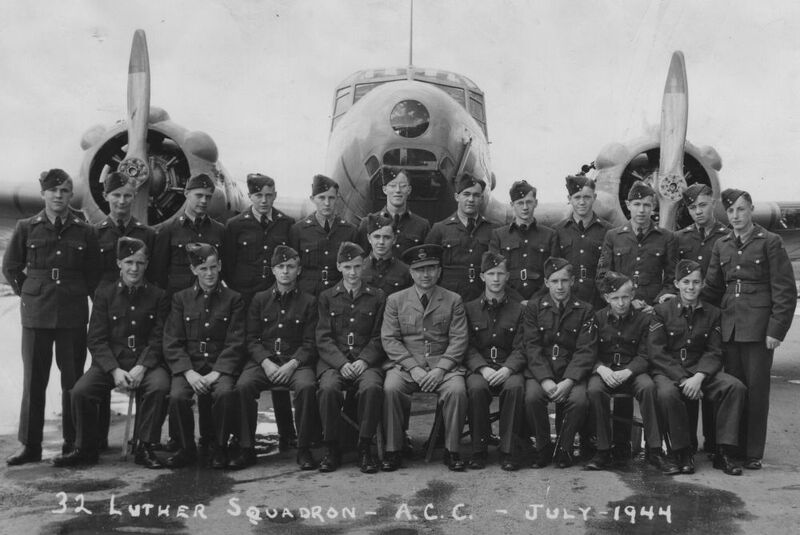
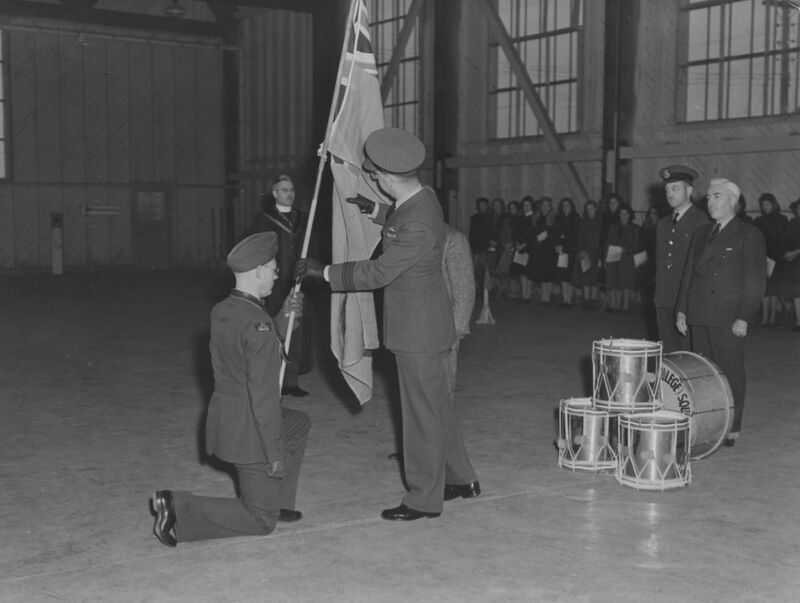
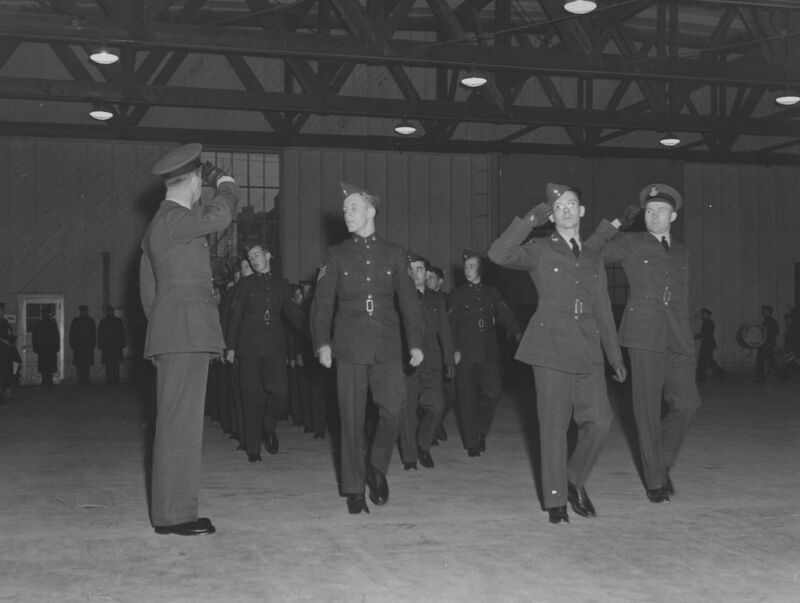
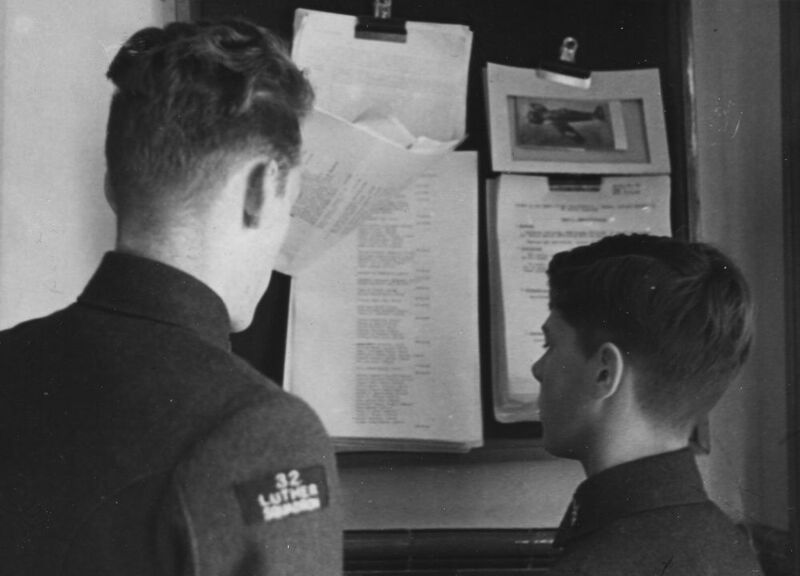
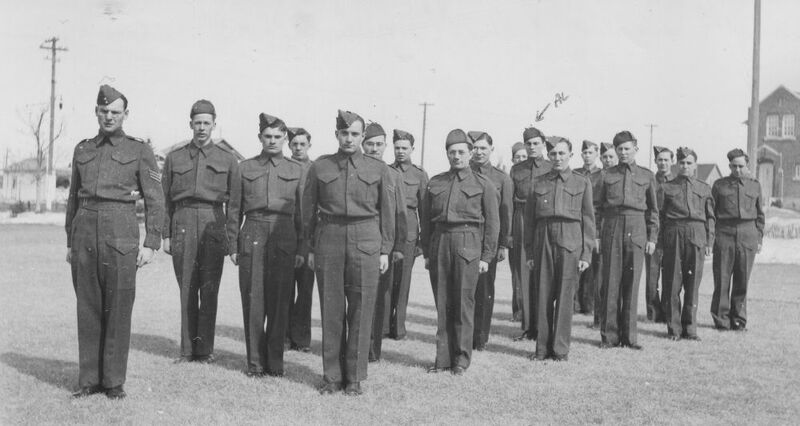
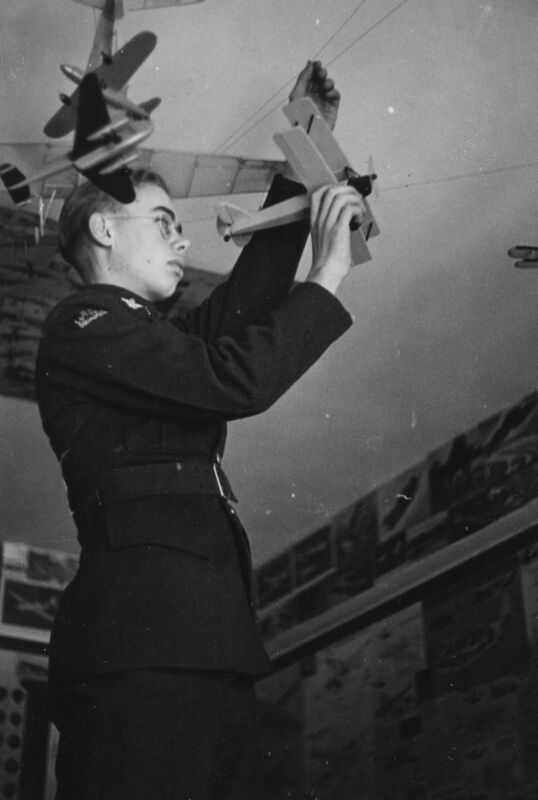
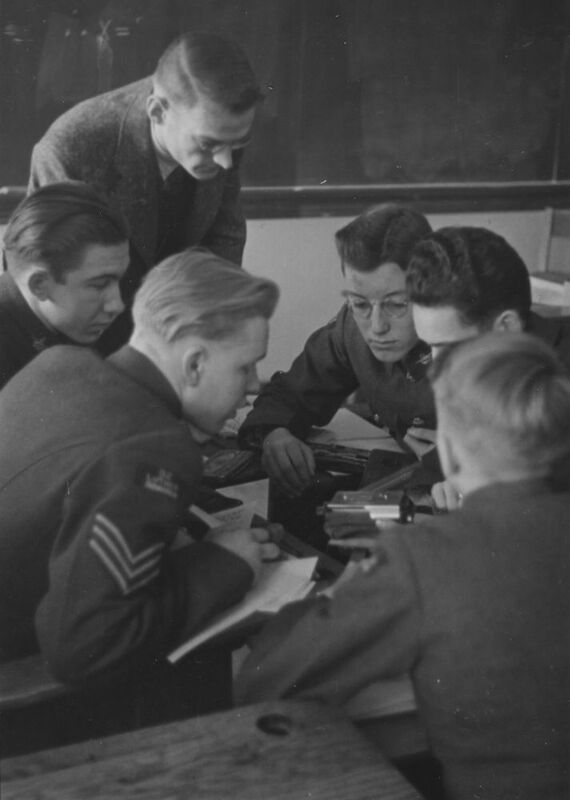
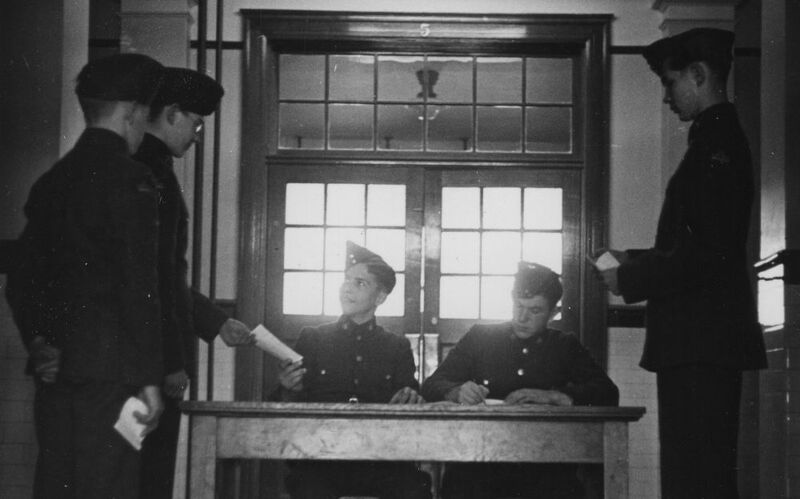
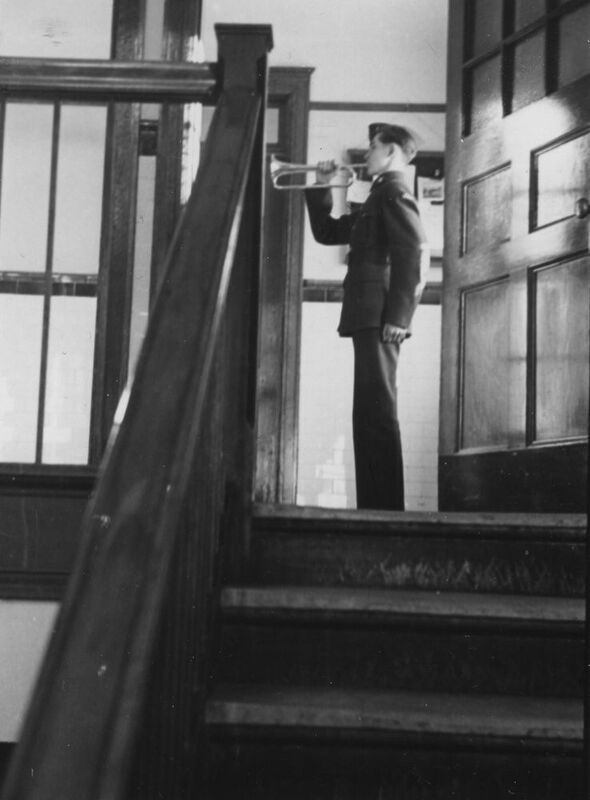
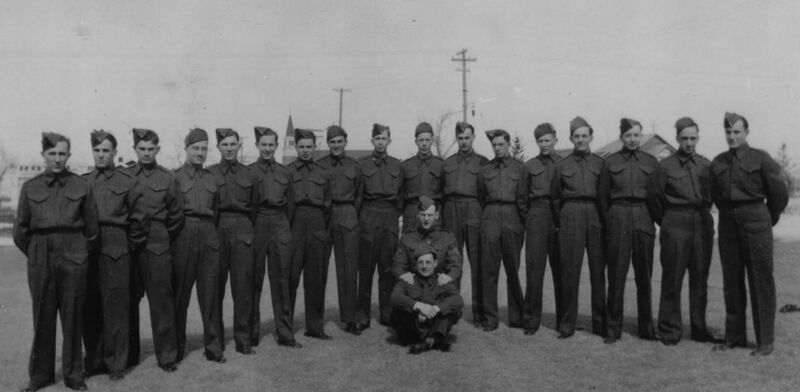
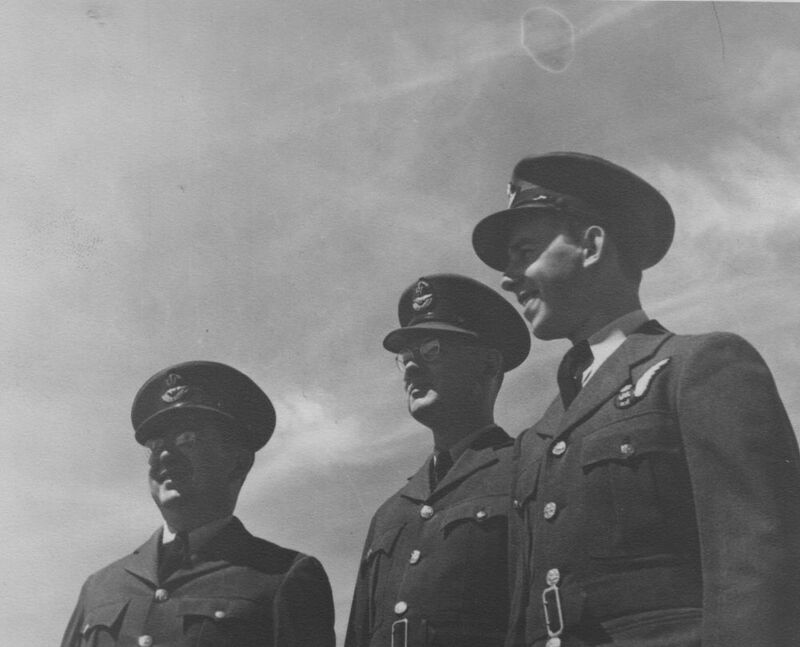
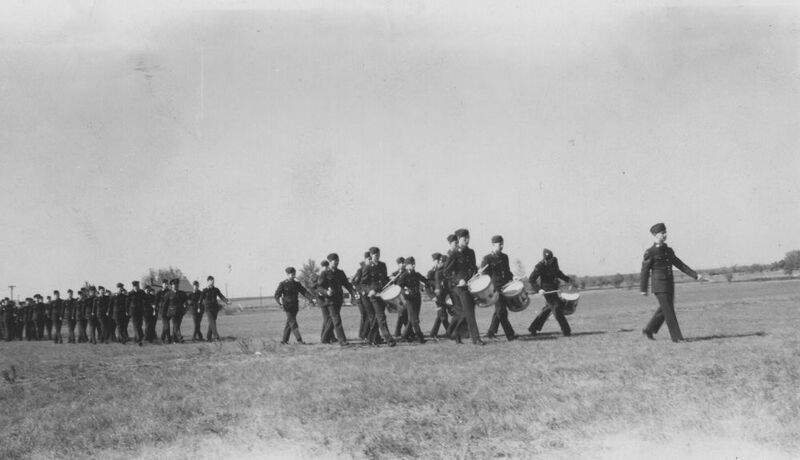
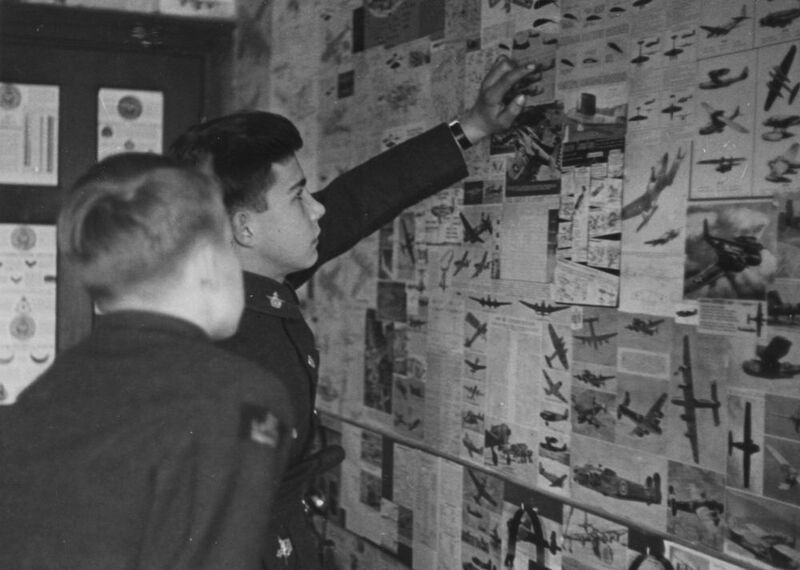
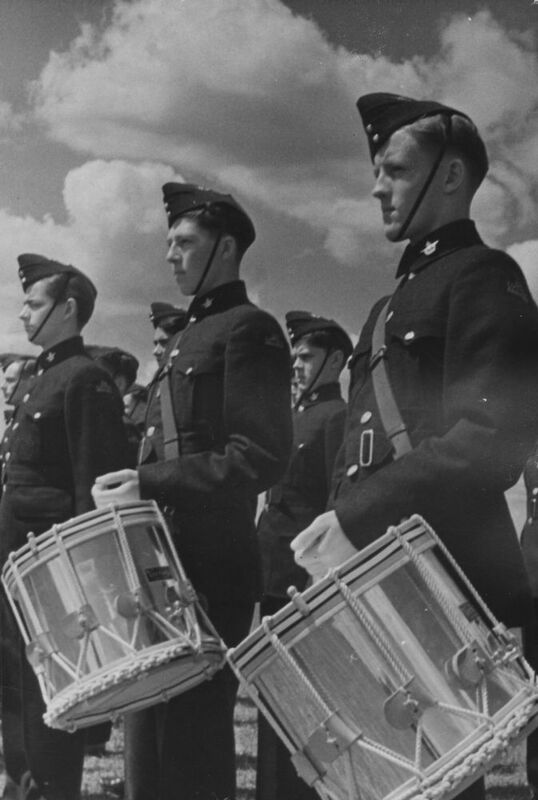
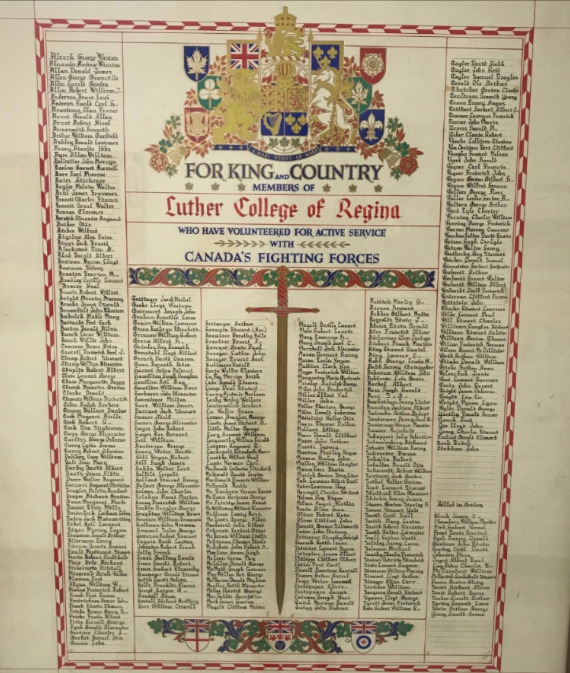
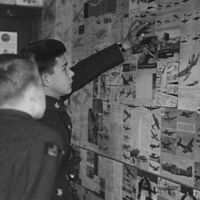
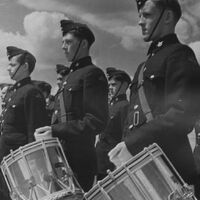
Most students at Luther College, at this time, were of German ancestry. War propaganda portrayed all Germans as Nazis, and anti-German sentiment was growing not just globally, but locally. Luther College wanted to “make an overt showing of its Canadian patriotism” (Hordern 143). It established an Air Cadets program which prepared teenage boys to enlist in the Royal Canadian Air Force. The Air Force required above-average intelligence and technical ability from its pilots and air crew, so they chose to establish themselves through cadet programs at schools that attracted better students (Hordern, 143).
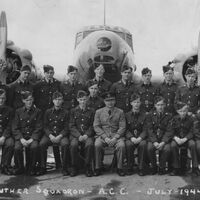
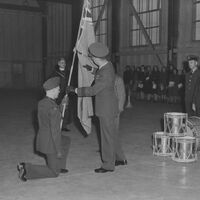
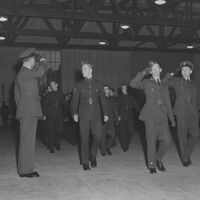
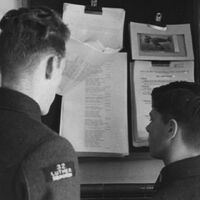
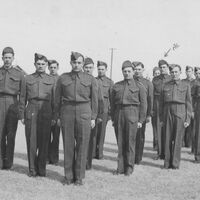
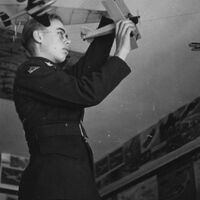
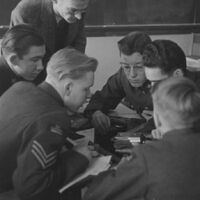
The dorms at Luther College were converted into a military camp. Bugle calls in the morning, marching drills at noon and cadet classes after school and supper became the new routine. Once they were 18, these high school boys went on the Canadian Officers Training Corps.
Mr. Wagner, the English teacher, organized Air Cadet Squadron No. 32. It developed such a high reputation that Mr. Wagner was recruited by the RCAF to supervise cadet squadrons throughout Western Canada. The Air Cadet program continued for a few years after World War II ended, and the COTC program became affiliated with the Regina Rifles but still continued to attract Luther students. Fred Wagner returned to the staff in 1946.
The boys of Luther College were not required to join either the cadets or COTC, but they were strongly encouraged. As a result, the number of Luther College graduates who enlisted in the RCAF during this time was significant (over 300 have been identified).
Peter Lay, a Regina student who had attend Luther during the 1930’s, became the first Regina man killed in active service.
To learn more about this time, including alumni memories, please see the chapter titled “1939-1945: Luther College and the Years of War” in Richard Hordern’s The Luther College Story or “The War Years” in Ken Mitchell’s Luther: The History of a College
CM_LCUR_P200-10-1_(2).jpg
CM_LCUR_P200-10-1_(14).jpg
CM_LCUR_P200-10-1_(13).jpg
CM_LCUR_P200-10-1_(12).jpg
CM_LCUR_P200-10-1_(11).jpg
CM_LCUR_P200-10-1_(10).jpg
CM_LCUR_P200-10-1_(9).jpg
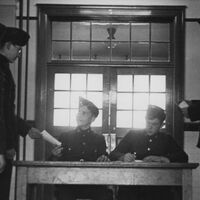
CM_LCUR_P200-10-1_(8).jpg
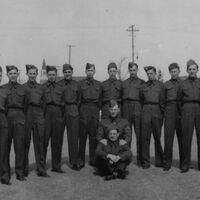
CM_LCUR_P200-10-1_(6).jpg
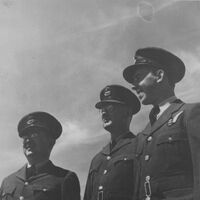
CM_LCUR_P200-10-1_(5).jpg
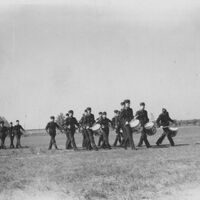
CM_LCUR_P200-10-1_(4).jpg
CM_LCUR_P200-10-1_(3).jpg
CM_LCUR_P200-10-1_(1).jpg
CM_LCUR_P200-10-1_(15).jpg