Science & Astronomy
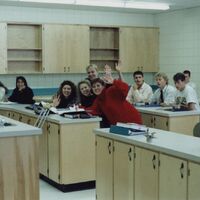
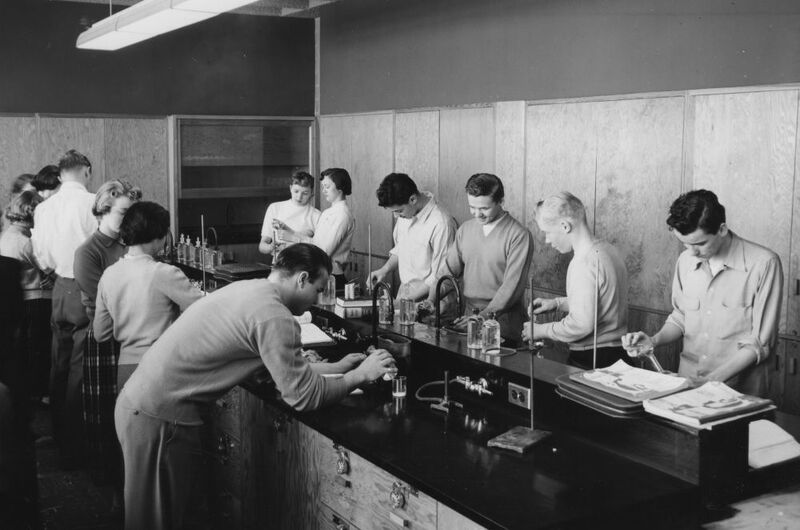
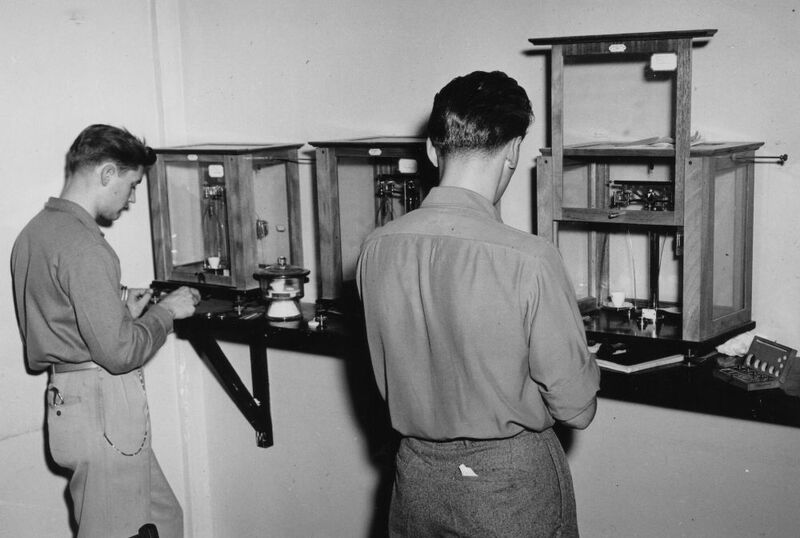
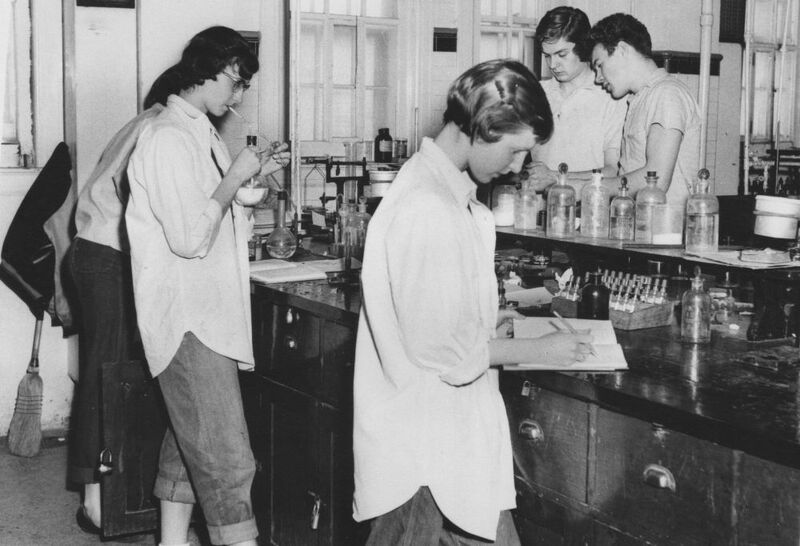
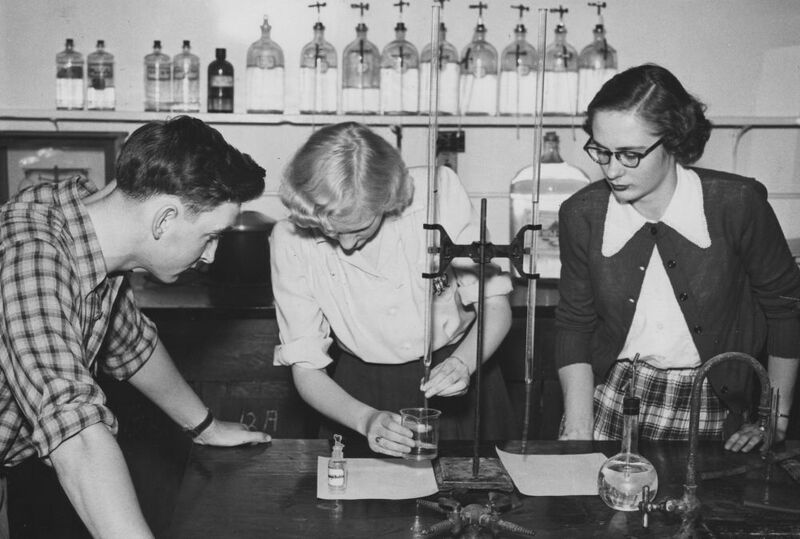
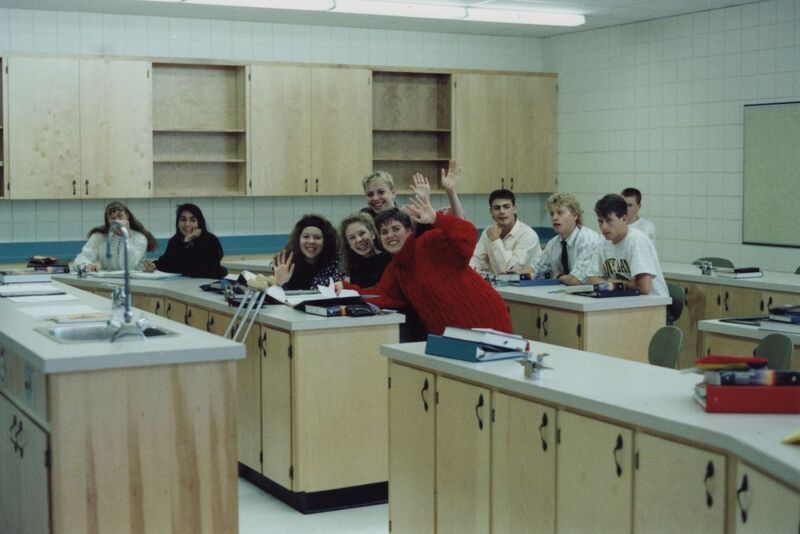
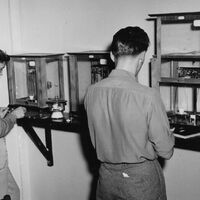
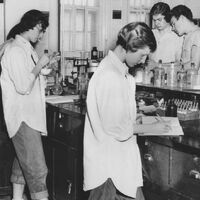
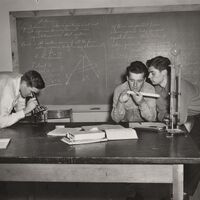
When Luther became a junior college in 1926, it broadened its science programs to include physics, chemistry, and biology (with a focus on botany). As construction began in Regina, a science laboratory was planned and installed in the basement.
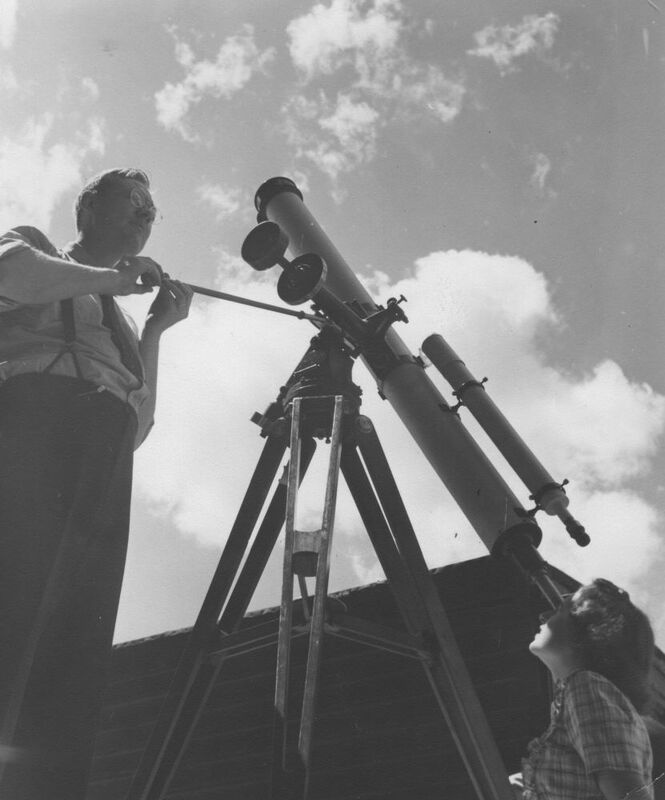
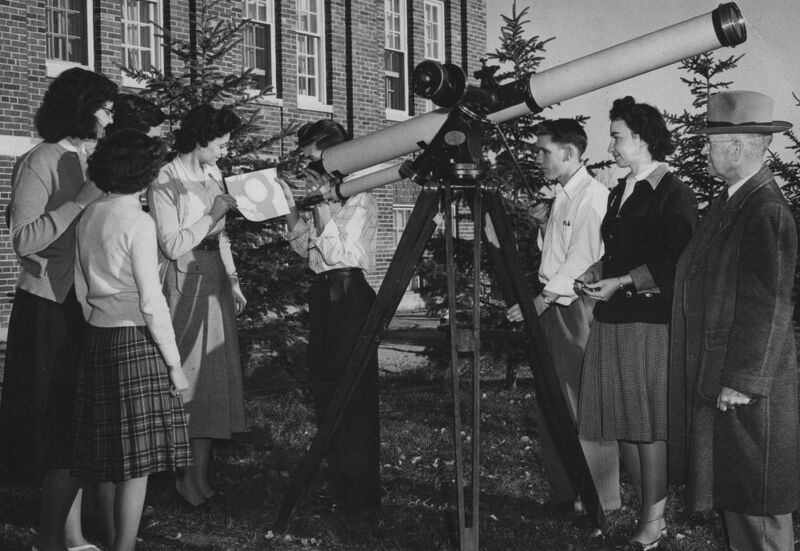
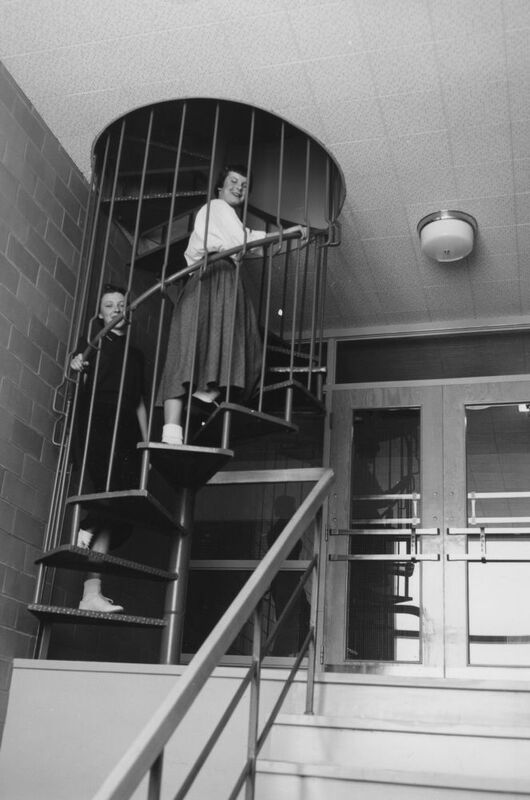
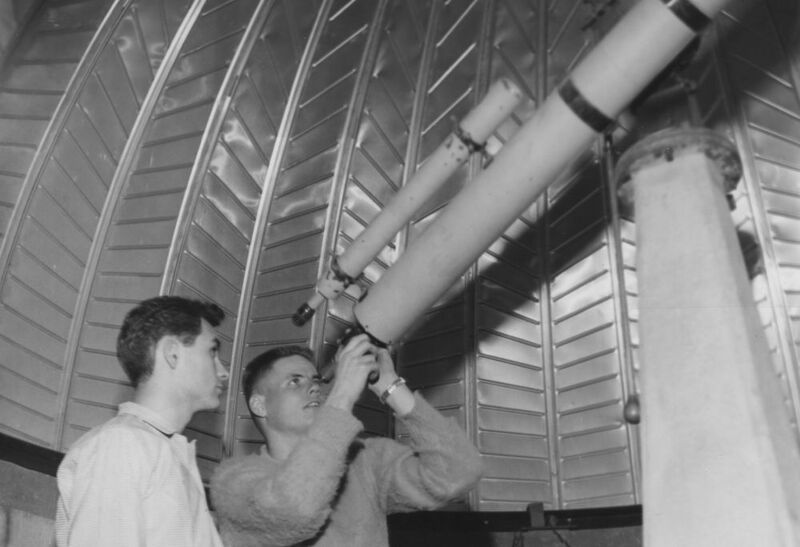
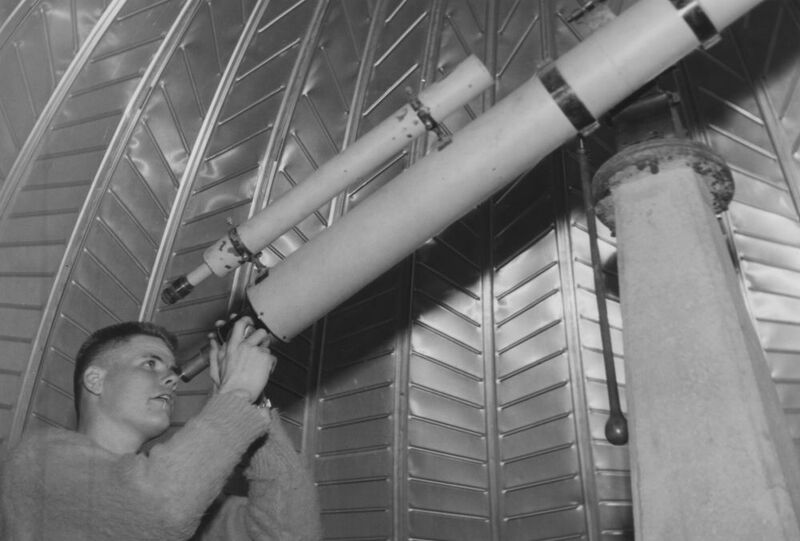
In 1948, W. J. Allison donated a high-quality telescope, which was later placed in the observatory after the classroom wing was completed in 1956. Dr. A. J. Pike (professor) soon introduced astronomy courses, which were later taken over by professor Paul Liefeld. In addition to the observatory, the new classroom wing also featured new science labs.
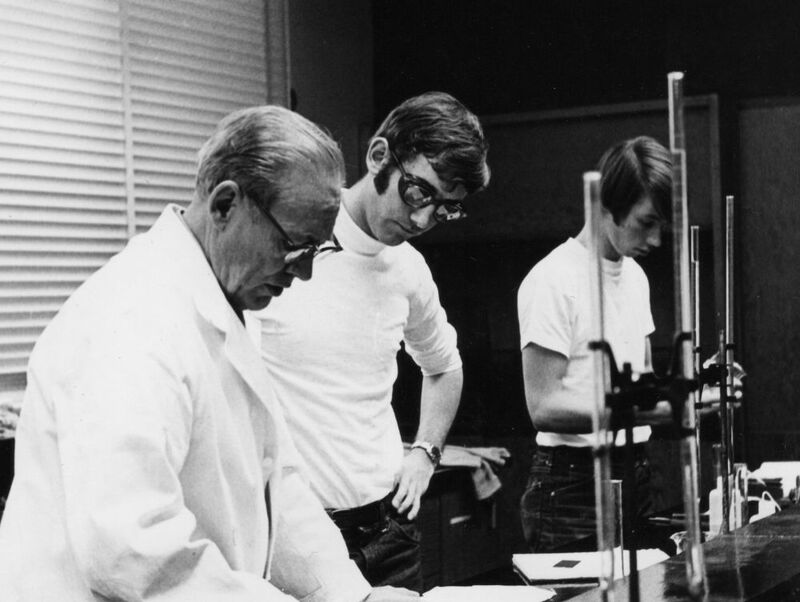
Liefeld also taught chemistry and mentored a student named Henry Taube, who went on to become a renowned chemist at Stanford University and won the Nobel Prize in 1982. In his acceptance speech, Taube credited Liefeld with inspiring his career in chemistry.
In 1982, Luther added computer science classes to its science program. Today, Luther students also have science-related extracurriculars, such as STEM and robotics club.
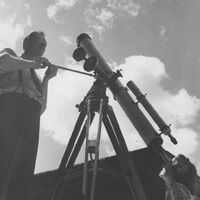
CM_LCUR_P200-20-50_(Astronomy_5).jpg
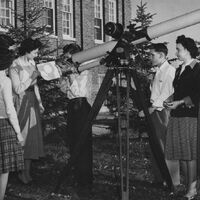
CM_LCUR_P200-20-50_(Astronomy_4).jpg
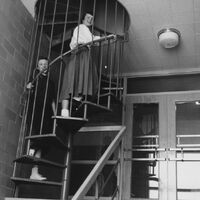
CM_LCUR_P200-20-50_(Astronomy_3).jpg
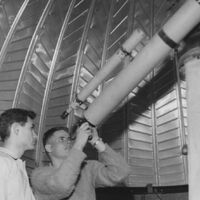
CM_LCUR_P200-20-50_(Astronomy_2).jpg
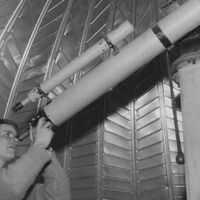
CM_LCUR_P200-20-50_(Astronomy_1).jpg
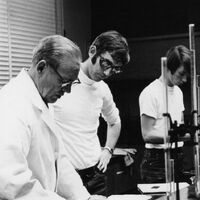
CM_LCUR_P200-20-30_(6).jpg
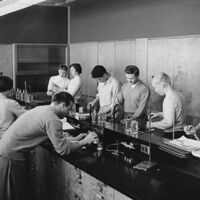
CM_LCUR_P200-20-30_(5).jpg
CM_LCUR_P200-20-30_(4).jpg
CM_LCUR_P200-20-30_(3).jpg
CM_LCUR_P200-1_(Physics_1).jpg